
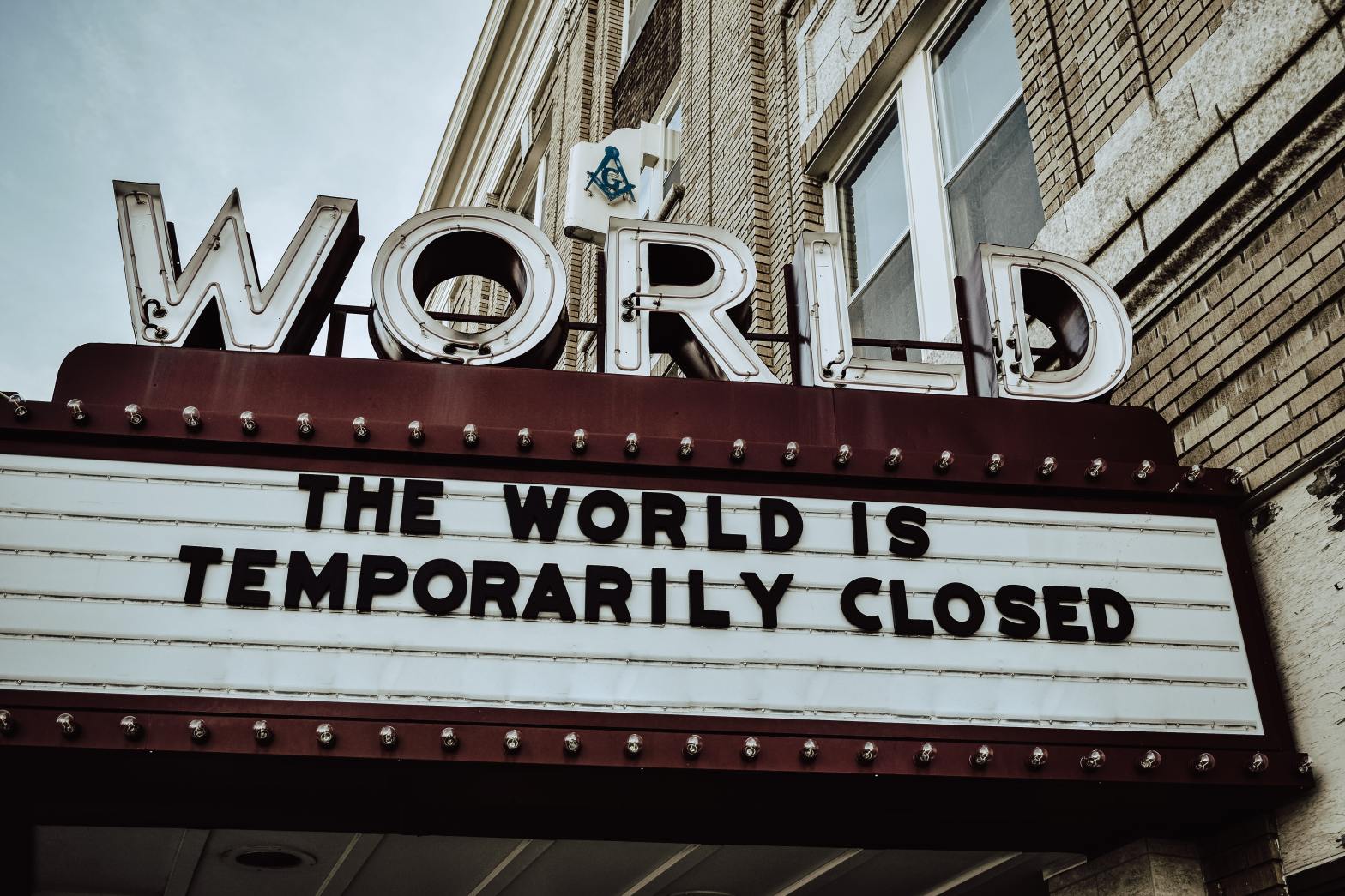
For the past half a year, COVID-19 has been an essential part of almost every conversation, and for good reason. As of 17 July 2020, there’ve been more than 13 million confirmed infected cases and over 590,000 deaths. UN Secretary-General António Guterres considered COVID-19 “the greatest challenge of our age”, and the IMF forecast expected the global economy to contract by 4.9%. Back home, Singapore’s Q2 GDP shrunk 12.6% year-on-year, and 41.2% quarter-on-quarter, pushing us into a technical recession. Unemployment rates are at their highest in a decade, with 3,220 retrenchments in Q1, according to a report by CNA.
Yet, on the other end of the spectrum, owners of local supermarket chain Sheng Siong were made billionaires after a 30% rally in their stock between March and April, smack in the heat of the pandemic. Meanwhile, US mega-cap tech stocks such as Apple, Amazon and Netflix hit all-time highs.

With such apparent incongruity in the global economy, what is there to learn? Here we summarise 3 key lessons that the recent pandemic has to teach us.
Our salary is not as reliable as we think it is
Over the course of the year, we’ve seen thousands of jobs being affected by the pandemic, of course, with some more so than others. Regardless of industry, we’ve all been impacted negatively, in some way or another. With historically high unemployment rates, we realise that our jobs and our employment income can be taken from us at any time.
It is thus important that we build up alternative sources of passive income. Some popular solutions include dividend income from investments or rental income from property.
Having access to an emergency fund is important
We’ve all learnt in school that we have to save for rainy days. We’ve all tried for a short period of time, but we began asking “When is this rainy day going to come?”, and gave up, deciding we’d be happier and better off spending that money on a holiday or that new iPad we wanted. Well look, the rainy day is here. Having access to that liquid-on-demand emergency fund when a crisis hits can at least help us feel at ease in terms of our immediate financial needs, allowing us to focus on getting back up on our feet. I recommend setting aside at least 6 months of your expenses, preferably in a high interest saving bank account.
We need to be prepared for a forced retirement
Today, some of us may be losing our jobs because of a global pandemic. When all this is over and the economy recovers, opportunities may present themselves to us once again. But what if one day, we can’t work because of another uncontrollable event such as illness or disability, and we are forced to retire? Do we have an alternative source of passive income? Do we have access to sufficient funds to meet our immediate financial needs?
If you’re wondering how to get started, I encourage you to fill up this 1-minute checklist that will give you a better idea of where you stand financially. If you’d like to speak to someone, feel free to drop me a text or a call. I’d be happy to have a chat with you. Meanwhile, stay safe and God bless. 😊
If you enjoyed reading this article and would like to see more, follow me on Facebook for more exciting content and engagements!
 My Money Musings
One thought on “3 things COVID-19 can teach us about money”